Tectone's Accidental Sponsorship Leak Reveals High Earnings for Twitch Streamers
In the dynamic world of live streaming, the financial details of sponsorship deals are often shrouded in secrecy, protected by non-disclosure agreements. However, a recent on-air mishap by OTK-affiliated Twitch streamer Tectone has pulled back the curtain, offering a rare and startling glimpse into the substantial sums involved. During a live broadcast, Tectone accidentally displayed a desktop notification from an email, which clearly revealed a payment of $35,000 for a sponsored stream he had done for the popular MMORPG Lost Ark. The incident, while potentially troublesome for the streamer due to contractual obligations, has ignited widespread discussion about the economics of content creation and sponsor relationships in 2026. This unexpected leak serves as a powerful case study, prompting questions: Just how lucrative can sponsored content be for top streamers, and what are the risks when such confidential information becomes public?
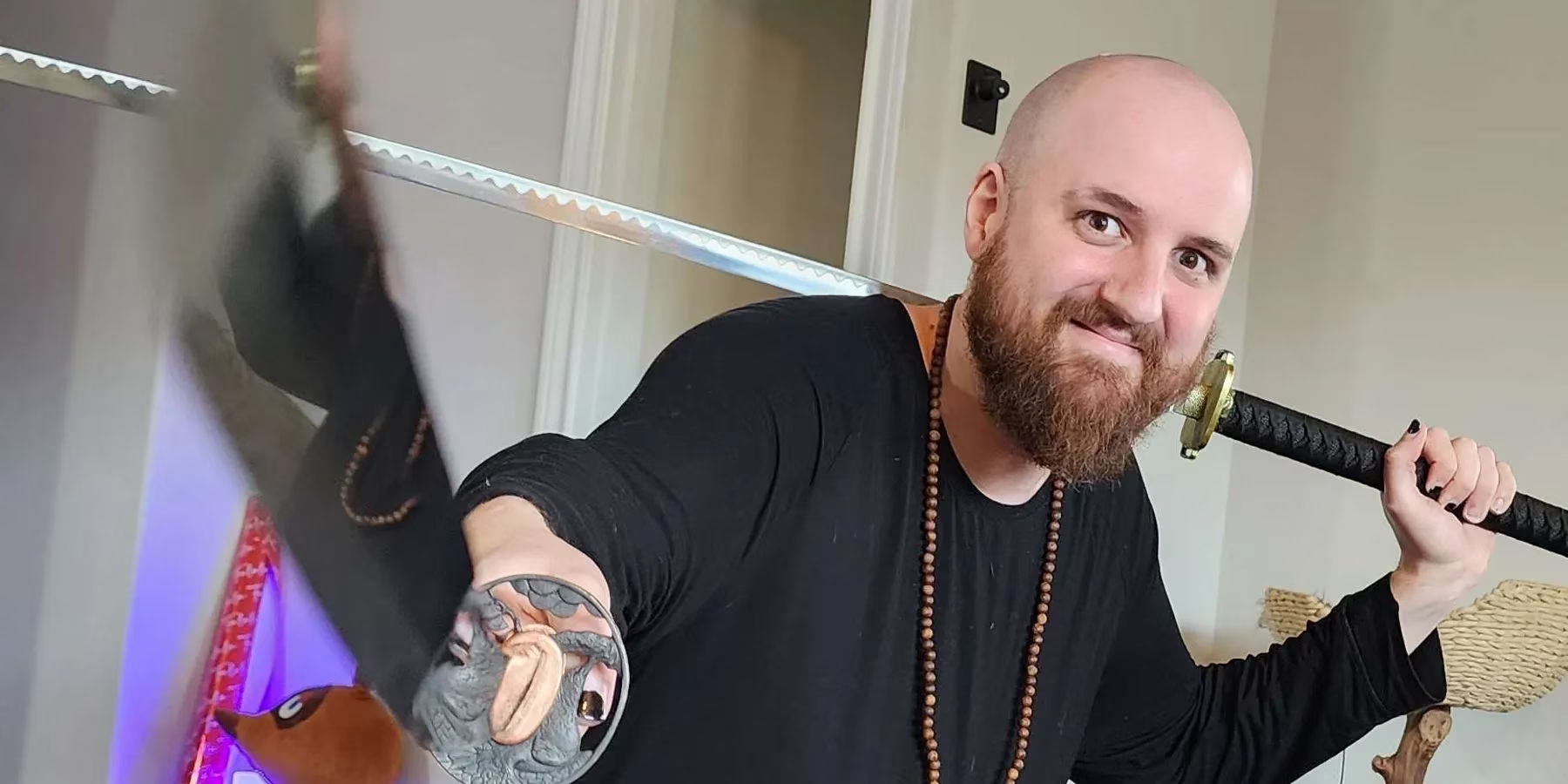
The Accidental Revelation and Its Immediate Aftermath
The leak occurred in real-time. Tectone was live on his channel when a notification from his email client popped up on screen. Before he could swiftly switch away from his desktop view, the figure $35,000 was captured by thousands of viewers. The sponsored event itself was for Lost Ark, likely tied to a promotional campaign from the previous November that featured Twitch drops, such as the Helgaia Pet Selection chest. While the specific date of his stream wasn't confirmed, the payment was for that single promotional engagement. Tectone's reaction was a mix of shock and excitement. He was visibly concerned about the breach of confidentiality, even mentioning the possibility of facing a ban from the platform, highlighting how seriously such leaks are taken. Yet, he couldn't hide his enthusiasm about the "crazy" money successful streamers can earn, though he was quick to temper that by noting most streamers probably make less than a dollar per viewer.
Decoding the $35,000 Payment: What Does It Represent?
A payment of $35,000 for a single sponsored stream is a significant sum, but context is key. Tectone is not among the absolute top-tier streamers in terms of consistent viewership; he averages around 3,000 concurrent viewers but can spike to over 10,000. So, what justifies this fee? Several factors contribute:
-
Organizational Clout: Membership in OTK (One True King), a prominent streamer organization, adds immense value. Sponsors see affiliation with such groups as a marker of professionalism and reach within a dedicated community.
-
Engaged Audience: A dedicated, niche audience (in this case, MMORPG and Lost Ark fans) is often more valuable than a larger, passive one. High engagement rates translate to better campaign results.
-
Campaign Scope: The fee likely covered not just the live broadcast hours but also obligations for promotion on other social platforms, specific talking points, and the use of the streamer's likeness in marketing materials.
Tectone himself added intriguing context, remarking that this was not even his largest sponsorship deal of that year. This offhand comment opens a window into the tiered economy of streaming sponsorships, where payments can scale dramatically with a creator's size and influence.
The Broader Implications for the Streaming Industry
Tectone's slip-up does more than just satisfy viewer curiosity; it underscores critical aspects of the modern content creation business.
1. The Secrecy and Its Necessity: Sponsorship rates are closely guarded secrets for good reason. Public knowledge of payments can lead to:
*   **Negotiation Disadvantages:** Other streamers or their representatives could use leaked figures as leverage in their own deals.

*   **Community Backlash:** Viewers might perceive a streamer as "selling out" if a sponsorship fee seems disproportionate, or conversely, criticize sponsors for underpaying smaller creators.

*   **Contractual Repercussions:** As Tectone feared, breaching an NDA can result in financial penalties, loss of future partnerships, or even platform sanctions.
2. The Volatile Nature of "Success": Tectone's warning that most streamers make very little money highlights the vast inequality in the industry. The revenue model is a pyramid:
| Streamer Tier | Approximate Avg. Viewers | Potential Sponsorship Range (Est.) | Primary Income Sources |
|---|---|---|---|
| Top Tier | 50,000+ | $100,000 - $500,000+ | Sponsorships, Ads, Subscriptions, Merch |
| Mid Tier (Like Tectone) | 3,000 - 15,000 | $10,000 - $75,000 | Sponsorships, Subscriptions, Donations |
| Micro / Emerging | < 1,000 | $0 - $5,000 | Donations, Small Ads, Rare Sponsorships |
3. Evolving Sponsor-Streamer Relationships: In 2026, sponsorships have moved beyond simple product placement. They are integrated campaigns requiring authentic integration. A leak like this tests that relationship, forcing both parties to manage the narrative. The fact that Tectone wasn't banned suggests a pragmatic approach may have been taken, perhaps viewing the incident as an unfortunate accident rather than a malicious breach.
Lessons Learned and Moving Forward
For content creators, this incident is a stark reminder of operational security. Simple steps like disabling desktop notifications during broadcasts or using a dedicated, clean device for streaming can prevent such costly mistakes. For the community, it's a reminder of the business realities behind the entertainment. While viewers enjoy free content, that content is often funded by these high-stakes commercial partnerships.
Ultimately, Tectone's $35,000 leak is more than a viral moment. It's a snapshot of the professionalization of streaming. The days of it being purely a hobbyist pursuit are long gone; it is now a serious media industry with complex contracts, substantial financial flows, and real-world consequences for missteps. As the industry continues to mature in 2026 and beyond, transparency and confidentiality will remain in a delicate, ongoing balance. Will such accidental reveals push the industry toward more standardized, or even public, rate cards? Or will they reinforce the walls of secrecy even higher? Only time will tell, but for now, the cat—and the exact dollar amount—is out of the bag. 😅